DIY Spray Foam vs. Hiring a Contractor
How the three paths really compare — kits, a rented rig, or an installed crew — for projects across Hamilton County.
Quick Answer
There are three ways to get spray foam done around Hamilton County: small DIY kits, renting a full rig, or hiring an installed crew. Kits ($30–$150 for 200–600 board feet) suit small gaps and rim joists. Renting a rig fits big, open jobs like a pole barn or shop, where one set of closed-cell foam covers about 4,000 board feet. Hiring a crew fits finished homes in Noblesville, Carmel, and Westfield, tight spaces, and anyone who wants a guaranteed result. The catch with DIY is that foam is unforgiving: the surface has to be warm enough (around 50°F or more), the chemicals have to stay on-ratio or the foam won't cure, and you need a respirator, ventilation, and a re-entry wait of 24 hours or more.
Three Ways to Get It Done
Side by Side
| Feature | DIY (Kit or Rented Rig) | Hire a Contractor |
|---|---|---|
| Upfront cost | Lower (material, plus rig rental) | Higher (material plus labor) |
| Best project | Big open areas in your own building | Any job, especially finished or detailed |
| Your time | Significant | None |
| Learning curve | Real | None |
| If it goes wrong | You eat the redo | On the contractor |
| Warranty | None | Workmanship coverage |
| Result | Depends on you | Professional finish |
Upfront cost
Lower (material, plus rig rental)
Higher (material plus labor)
Best project
Big open areas in your own building
Any job, especially finished or detailed
Your time
Significant
None
Learning curve
Real
None
If it goes wrong
You eat the redo
On the contractor
Warranty
None
Workmanship coverage
Result
Depends on you
Professional finish
Doing It Yourself vs. Hiring
Doing It Yourself
Pros
- Skip the labor cost, which is the biggest line item on an installed job
- Control your own schedule and work at your own pace
- Buying foam by the set stretches much further than small kits (one set covers thousands of board feet)
- Rewarding if you're handy and like doing your own work
- Often the only affordable option in rural areas where crews add a travel charge
Cons
- The chemistry is unforgiving: off-ratio, cold, or humid conditions ruin the foam
- You need a respirator, ventilation, and a re-entry wait of 24 hours or more
- Misjudge coverage or thickness and you waste expensive material
- No warranty if it doesn't turn out
- Cleanup and disposal are yours
Hiring a Contractor
Pros
- Trained applicators lay down even, correct thickness
- The right foam goes in the right spot
- They handle prep, overspray, and cleanup
- Workmanship coverage stands behind the job
- It gets done fast
Cons
- Higher upfront cost
- You work around their schedule
- Rural jobs can carry a travel charge
What Actually Goes Wrong DIY
When DIY Pays Off (and When It Doesn't)
Our Verdict
If you've got a big open building around Hamilton County, some time, and the willingness to learn, doing it yourself with a rented rig can save thousands. For a finished home, tight detail work, or a job you just want done right the first time, hire a crew. We rent rigs and we install, so tell us the building and we'll point you to the cheaper, better option.
Frequently Asked Questions
Small kits run $30 to $150 and cover 200 to 600 board feet. For a big job, buying enough kits gets expensive fast compared with a single rig set.
Per board foot, by a wide margin. You buy foam by the set, and one closed-cell set covers about 4,000 board feet while one open-cell set covers 14,000 or more, far cheaper than stacking up small kits to cover the same area.
Off-ratio foam that never cures. It has to be removed and redone, which is the costliest outcome of all.
A proper respirator, skin and eye protection, ventilation, and a re-entry wait of 24 hours or longer after spraying.
Only if the coverage and thickness meet code, and you may need it documented. If an inspector or lender is involved, an installed crew that documents the work is the safer call.
Yes. Send the building and we'll quote it.
Related Services
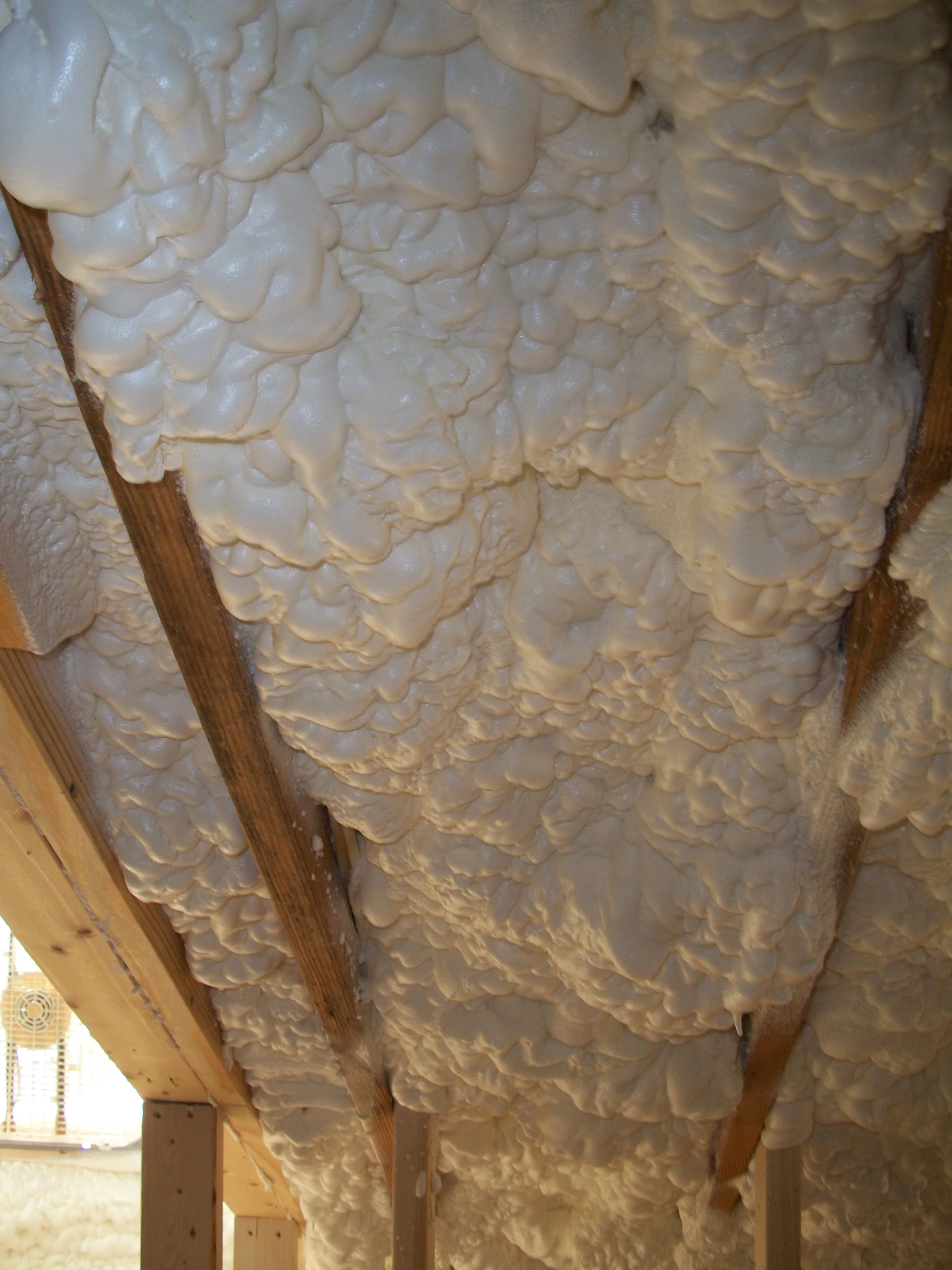
Open-Cell Foam
Cost-effective spray foam for attics and interior assemblies where comfort and sound control matter.
- Lowest cost per board foot of any spray foam
- Noticeably quieter, reduces sound between rooms and from outside
- Great for attics, interior walls, and bonus rooms
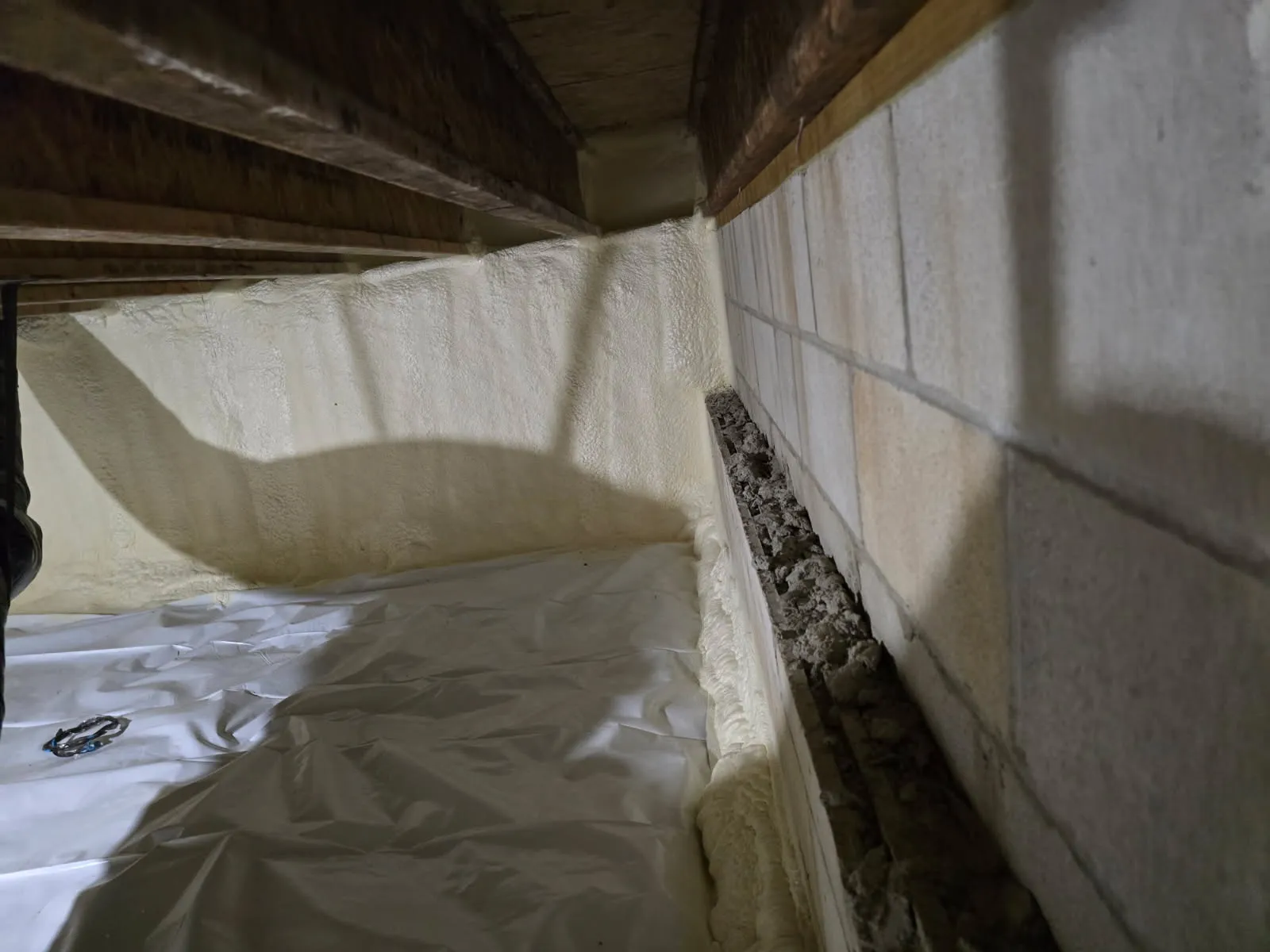
Closed-Cell Foam
High R-value insulation with moisture resistance for crawl spaces, basements, metal buildings, and demanding envelopes.
- Highest R-value of any spray-applied insulation (R-6.5 per inch)
- Acts as a vapor barrier
- Won't absorb water — ideal for moisture-prone areas
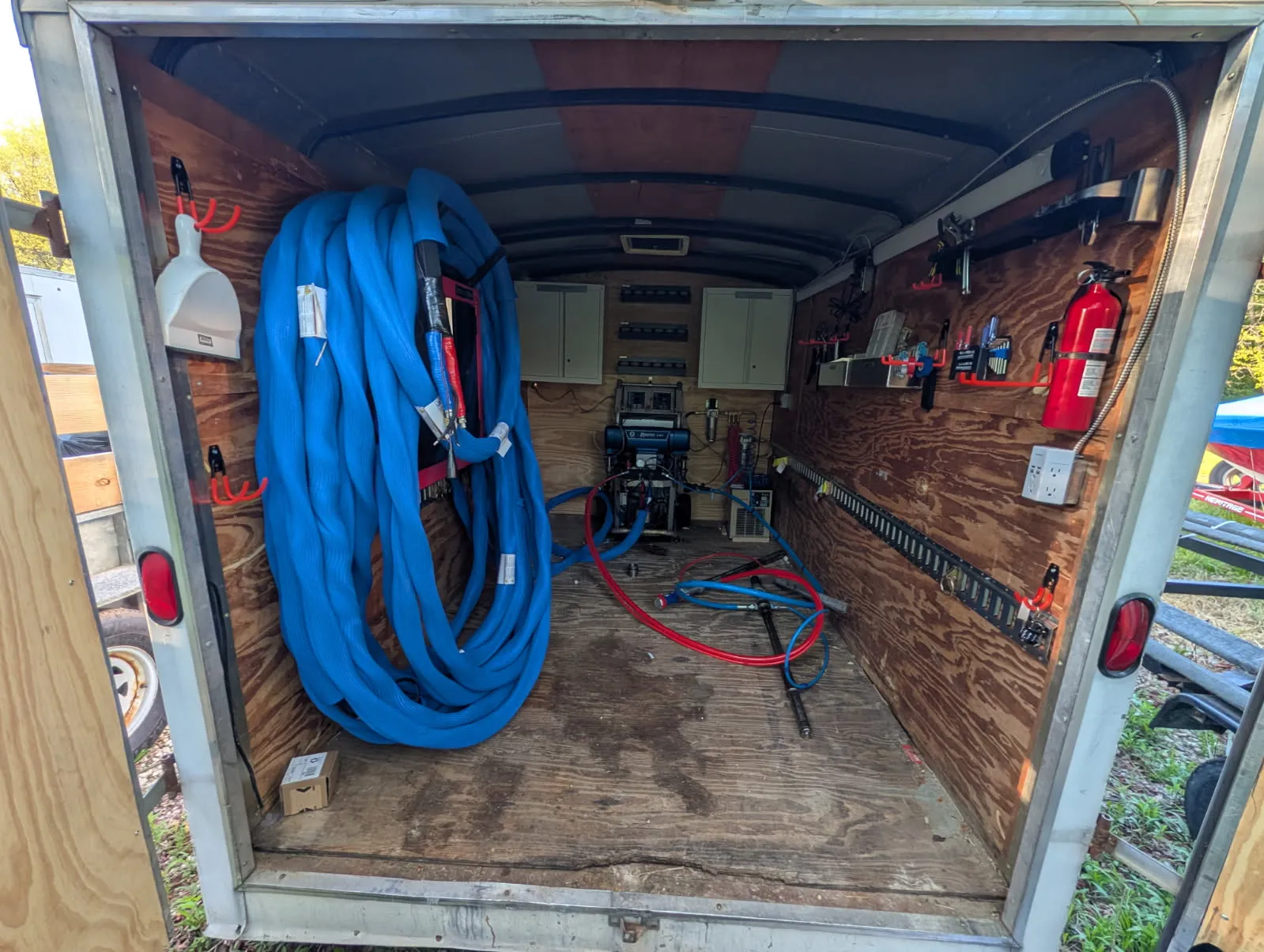
Spray Foam Rig Rental
Rent the spray foam rig when you want to handle the labor yourself.
From $1,500/day
- Open-cell, closed-cell, or your own material
- We help you understand the setup
- Useful when labor savings matter
Ready to Get Started?
Get a free, no-obligation quote today.