Spray Foam Insulation
Core spray foam pages that explain material types, costs, R-values, and common alternatives.
High R-value insulation with moisture resistance for crawl spaces, basements, metal buildings, and demanding envelopes.
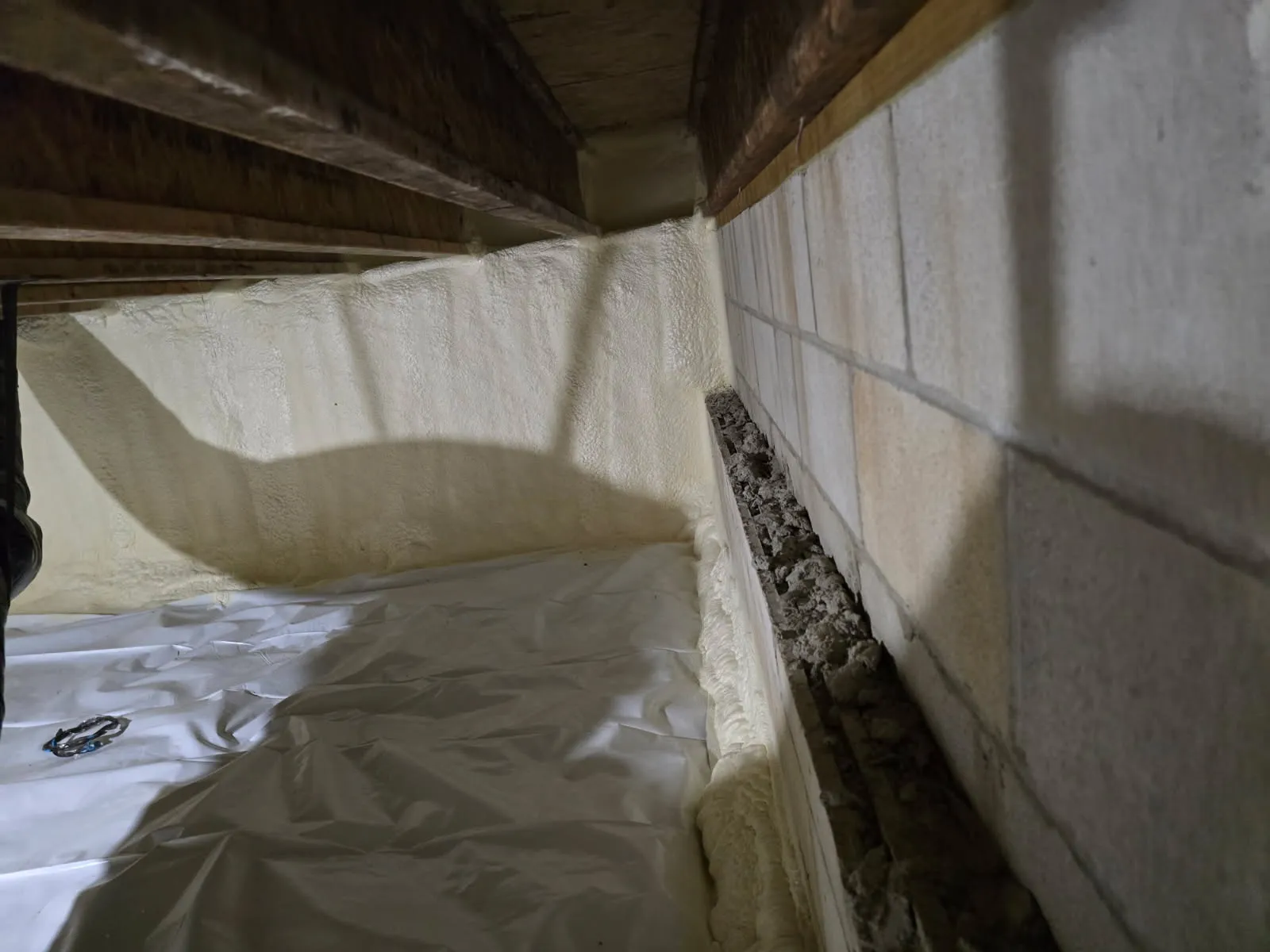
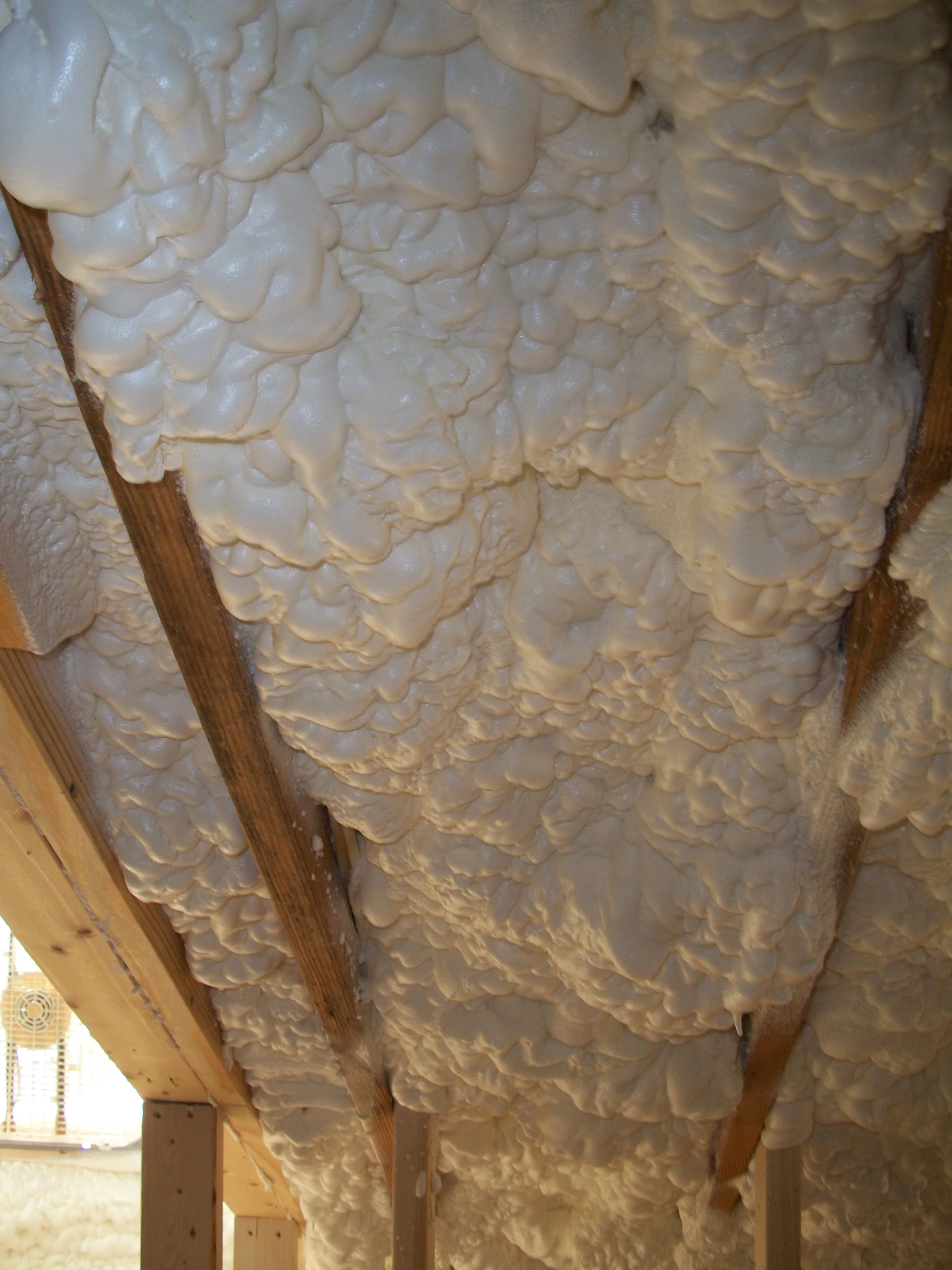
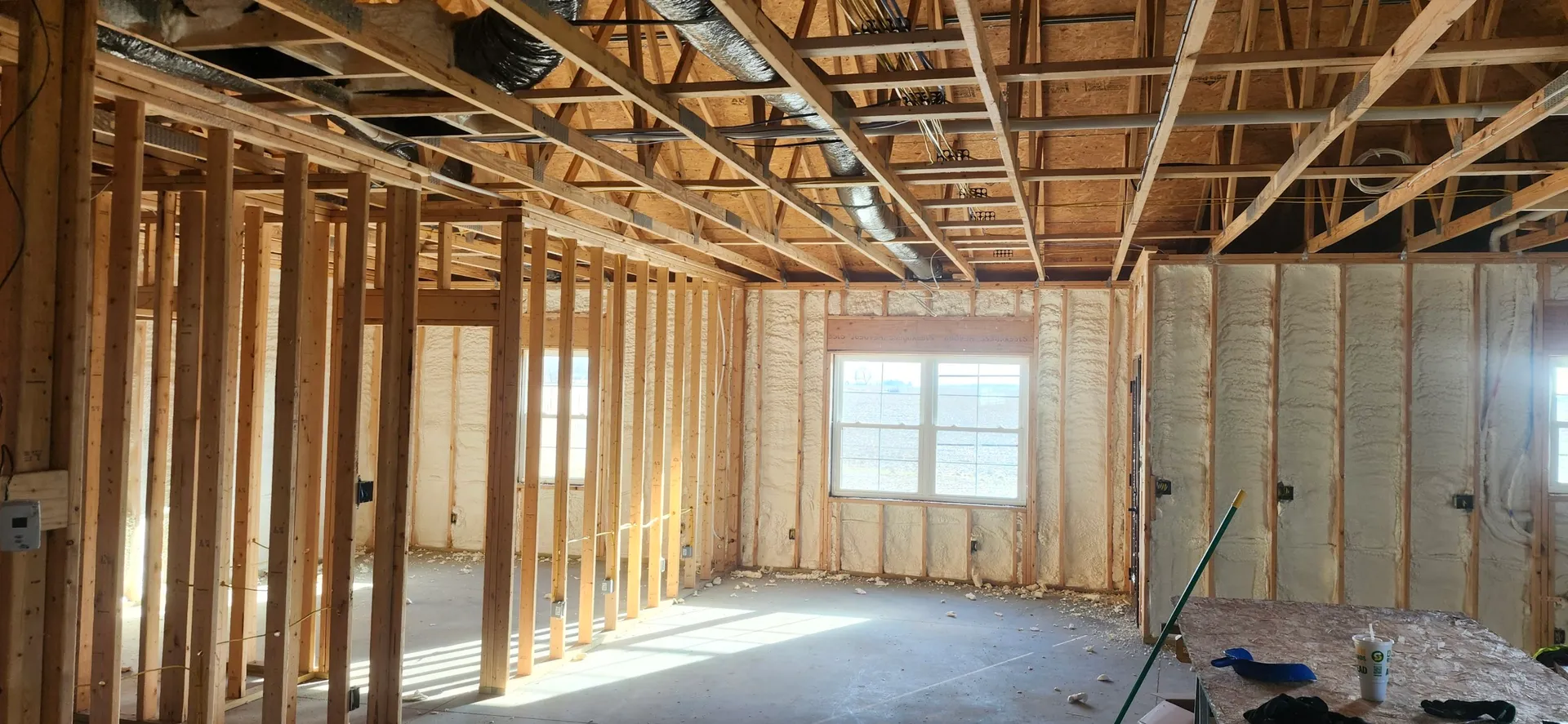
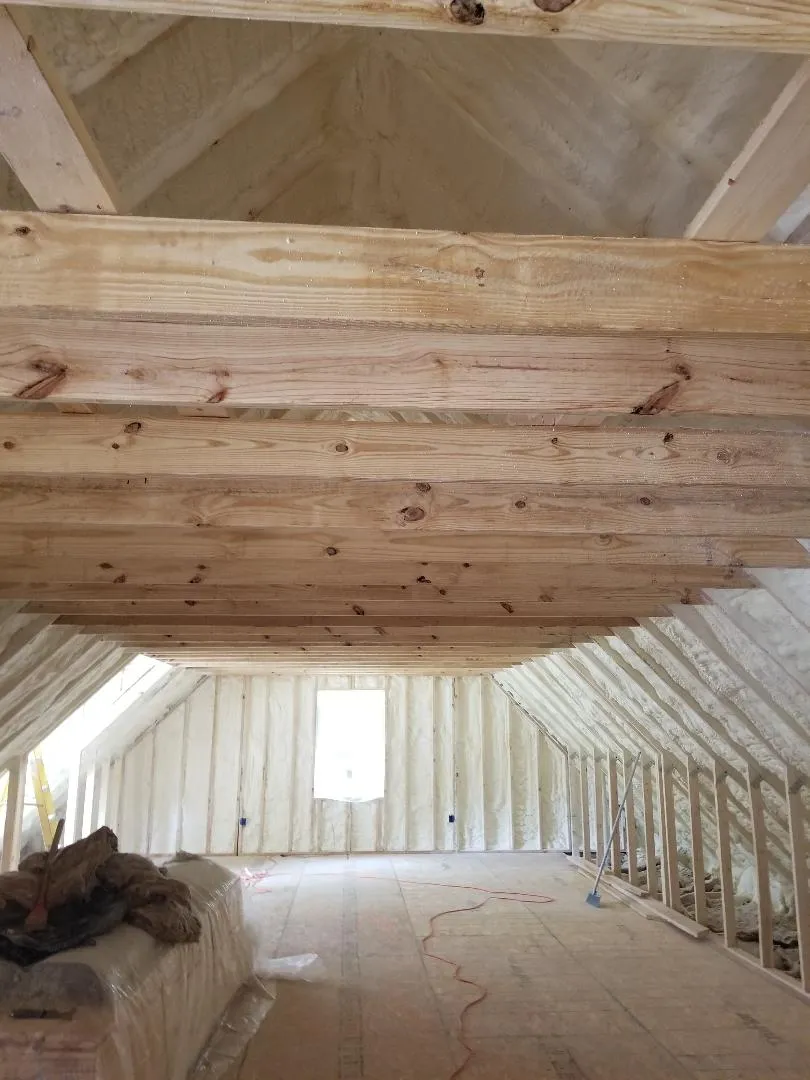
Closed-cell foam delivers high thermal performance per inch and acts as a moisture-resistant air barrier. It also adds rigidity to framed assemblies. This is the right fit for crawl spaces, basements, metal structures, and exterior assemblies where moisture control and long-term durability are critical.
Closed-cell spray foam is the highest-performing spray-applied insulation available. At R-6.5 per inch, it delivers more thermal resistance per inch than any other insulation product — and it doubles as a vapor barrier, meaning you get insulation and moisture protection in a single application.
In Indiana, closed-cell foam is the preferred choice for areas where moisture is a concern. Crawl spaces, basements, rim joists, exterior walls, and metal buildings all benefit from closed-cell's ability to block both air and water vapor. Unlike fiberglass batts that can absorb moisture and lose R-value, closed-cell foam is impervious to water.
Closed-cell foam also adds structural rigidity to wall assemblies — the cured foam bonds to studs and sheathing, creating a stronger wall. This is particularly valuable in metal buildings and pole barns where the foam bridges directly between metal panels.
Typical closed-cell installations range from 1 inch (air sealing) to 4 inches (full thermal envelope). Pricing starts at $1.25–1.40 per board foot depending on thickness and project size. Use our cost calculator for a quick estimate, or call for a free quote.
Closed-cell foam is not the cheapest insulation by the inch, but it solves problems fiberglass and open-cell foam cannot handle. It is the right fit when the building needs a vapor barrier, higher R-value in limited depth, adhesion to metal or masonry, or added stiffness in a wall or roof assembly.
Around Central Indiana, that usually means crawl spaces, rim joists, basement walls, pole barns, metal buildings, warehouse roof decks, and other places where moisture or condensation is part of the job.
The first decision is not just open-cell versus closed-cell. We look at surface condition, access, target R-value, moisture exposure, and whether the foam needs to bond directly to wood, block, concrete, or metal. A thin air-seal layer, a code-level crawl space application, and a full metal-building insulation package are different scopes.
If closed-cell is overkill for the space, we will say that. If moisture, condensation, or limited depth makes it the better option, we will explain the thickness and why it matters before the quote is written.
Related
Core spray foam pages that explain material types, costs, R-values, and common alternatives.
Crawl space pages that connect moisture control, closed-cell foam, and residential retrofit planning.
Post-frame and metal-building pages that focus on condensation, closed-cell foam, and durable envelopes.
Commercial pages for contractors, warehouses, industrial buildings, and large envelope projects.
Tell us what you need and we'll get back to you with a free estimate.
Proudly providing service across these communities
Free estimate. We'll tell you exactly what your space needs. You decide.