Spray Foam Insulation
Core spray foam pages that explain material types, costs, R-values, and common alternatives.
Spray foam is priced by the project, not by the house. Here's what the common jobs actually cost across Hamilton County — and how to estimate yours.
Quick Answer
Spray foam is priced by area and thickness, so cost depends on what you're insulating. Typical Indiana projects run about $2,500 to $6,000 for a crawl space, $3,500 to $7,500 for an attic, and $10,000 to $30,000 for a whole new-construction home. Most existing homes don't need foam everywhere — targeted jobs are common and far cheaper.
| Feature | Typical installed range | Best-fit foam |
|---|---|---|
| Rim joist / band joist | $1,200 - $3,000 | Closed-cell |
| Crawl space encapsulation | $2,500 - $6,000 | Closed-cell |
| Attic at the roofline (retrofit) | $3,500 - $7,500 | Open-cell |
| Garage or bonus room | $1,500 - $4,000 | Open-cell or closed-cell |
| Whole new-construction home | $10,000 - $30,000 | Open-cell, closed-cell, or hybrid |
| Metal building / pole barn (1″ shell) | $1,600 - $4,800 | Closed-cell |
Rim joist / band joist
$1,200 - $3,000
Closed-cell
Crawl space encapsulation
$2,500 - $6,000
Closed-cell
Attic at the roofline (retrofit)
$3,500 - $7,500
Open-cell
Garage or bonus room
$1,500 - $4,000
Open-cell or closed-cell
Whole new-construction home
$10,000 - $30,000
Open-cell, closed-cell, or hybrid
Metal building / pole barn (1″ shell)
$1,600 - $4,800
Closed-cell
Our Verdict
Don't budget for "spray foaming the whole house" unless you're building new — most Hamilton County homeowners get the best return from a targeted job (crawl space, rim joist, or attic). Run your square footage through the calculator for a project-specific estimate, then we'll confirm it on a free quote.
Yes. Open stud bays and exposed rooflines spray quickly, so new builds cost less per square foot than retrofits where drywall has to come down first. If you're planning a remodel, insulating while the walls are open is the most cost-effective time to do it.
Rarely. The attic, crawl space, and rim joists account for most of a home's air leakage and energy loss, so targeting those areas delivers most of the comfort and savings at a fraction of whole-home cost. A free quote will identify where foam pays off most for your home.
For full coverage on a new build (walls plus roofline), national figures run roughly $10,000 to $30,000, with an average around $20,000. Most existing homes spend far less because they only foam targeted areas like the attic or crawl space rather than every cavity.
Closed-cell is denser, delivers a higher R-value per inch (R-6.5 versus R-3.6 for open-cell), and acts as a moisture barrier. You're paying for more performance per inch, which is why it's reserved for crawl spaces, rim joists, and metal buildings where those properties matter.
Related
Core spray foam pages that explain material types, costs, R-values, and common alternatives.
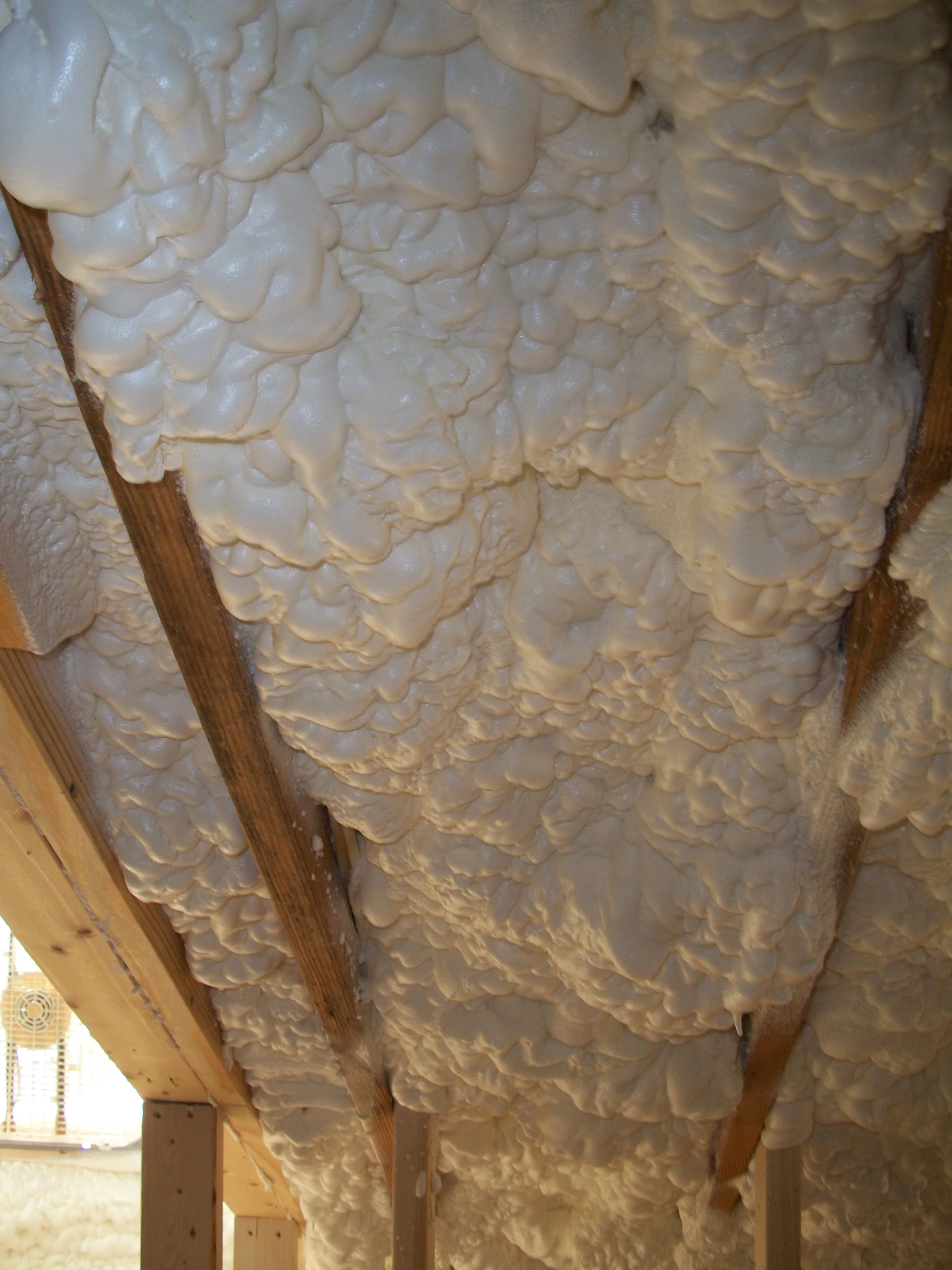
Cost-effective spray foam for attics and interior assemblies where comfort and sound control matter.
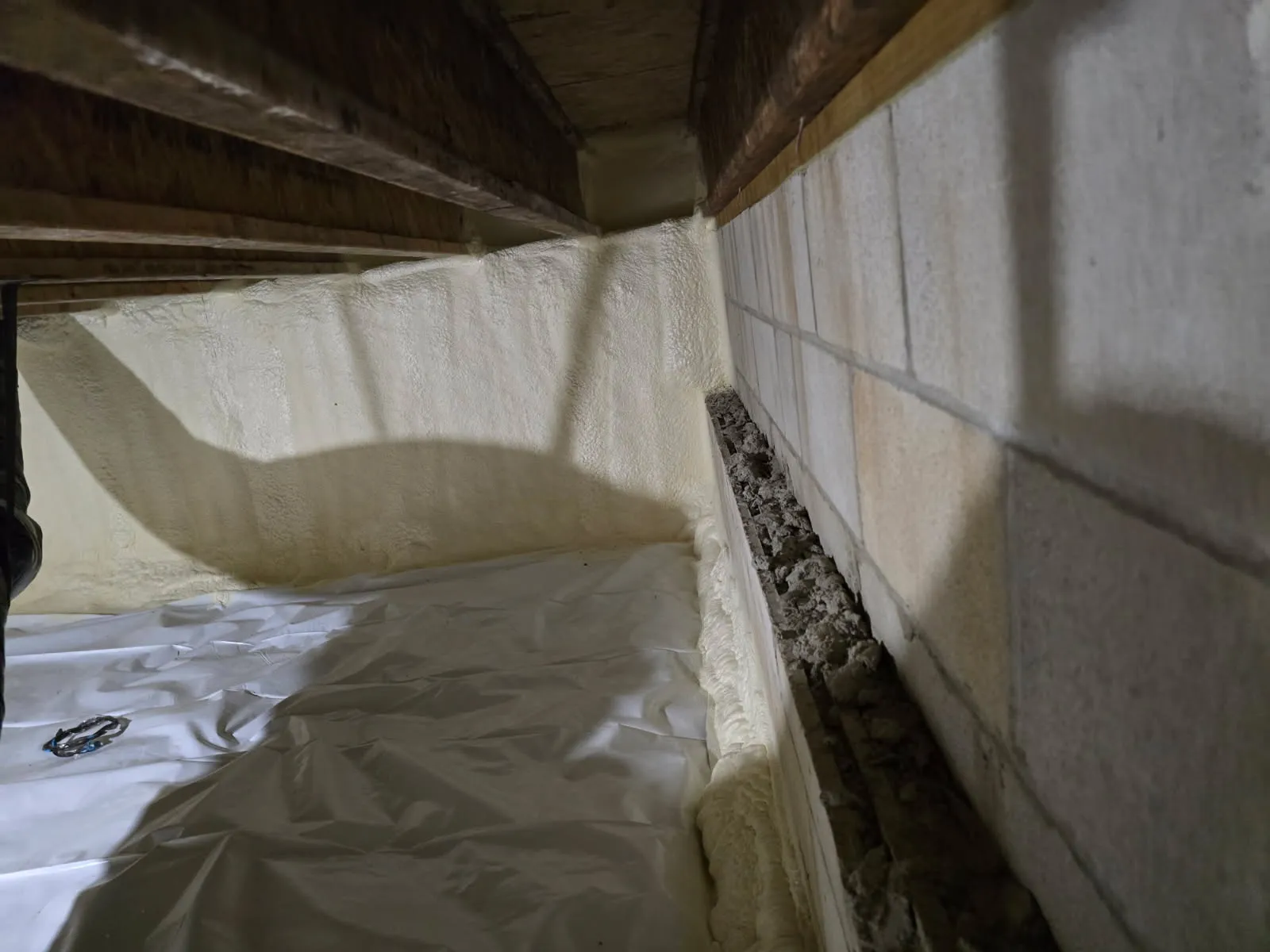
High R-value insulation with moisture resistance for crawl spaces, basements, metal buildings, and demanding envelopes.
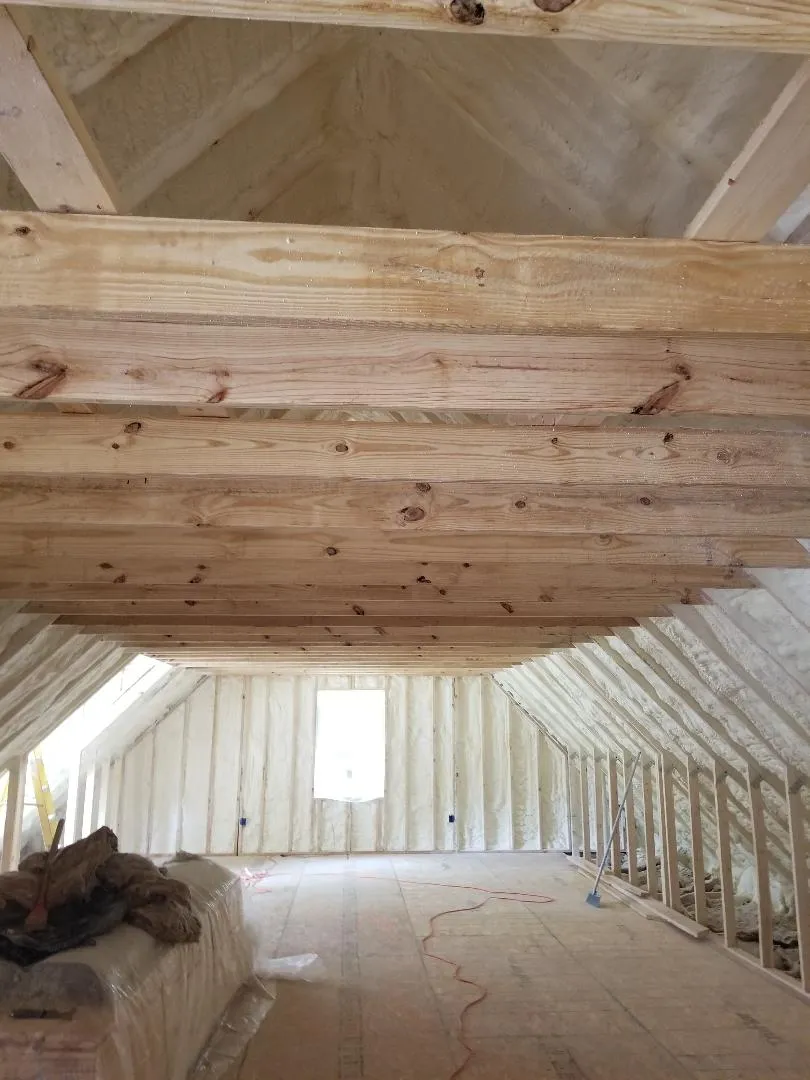
Stop losing heat through the roof. We insulate attics for year-round comfort and lower energy bills.
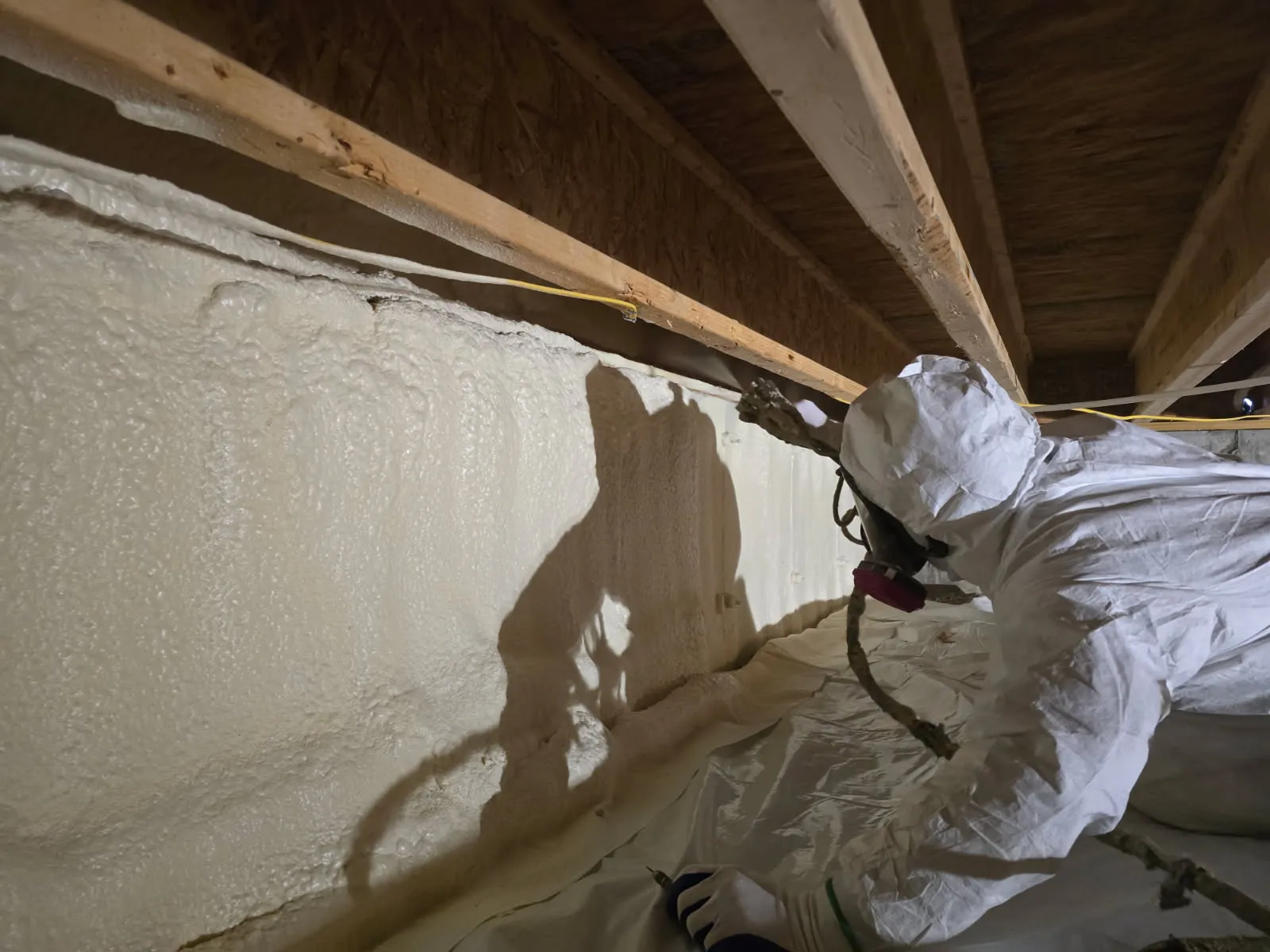
Seal out moisture, pests, and cold floors with closed-cell foam applied directly to crawl space walls.
Get a free, no-obligation quote today.