Spray Foam Insulation
Core spray foam pages that explain material types, costs, R-values, and common alternatives.
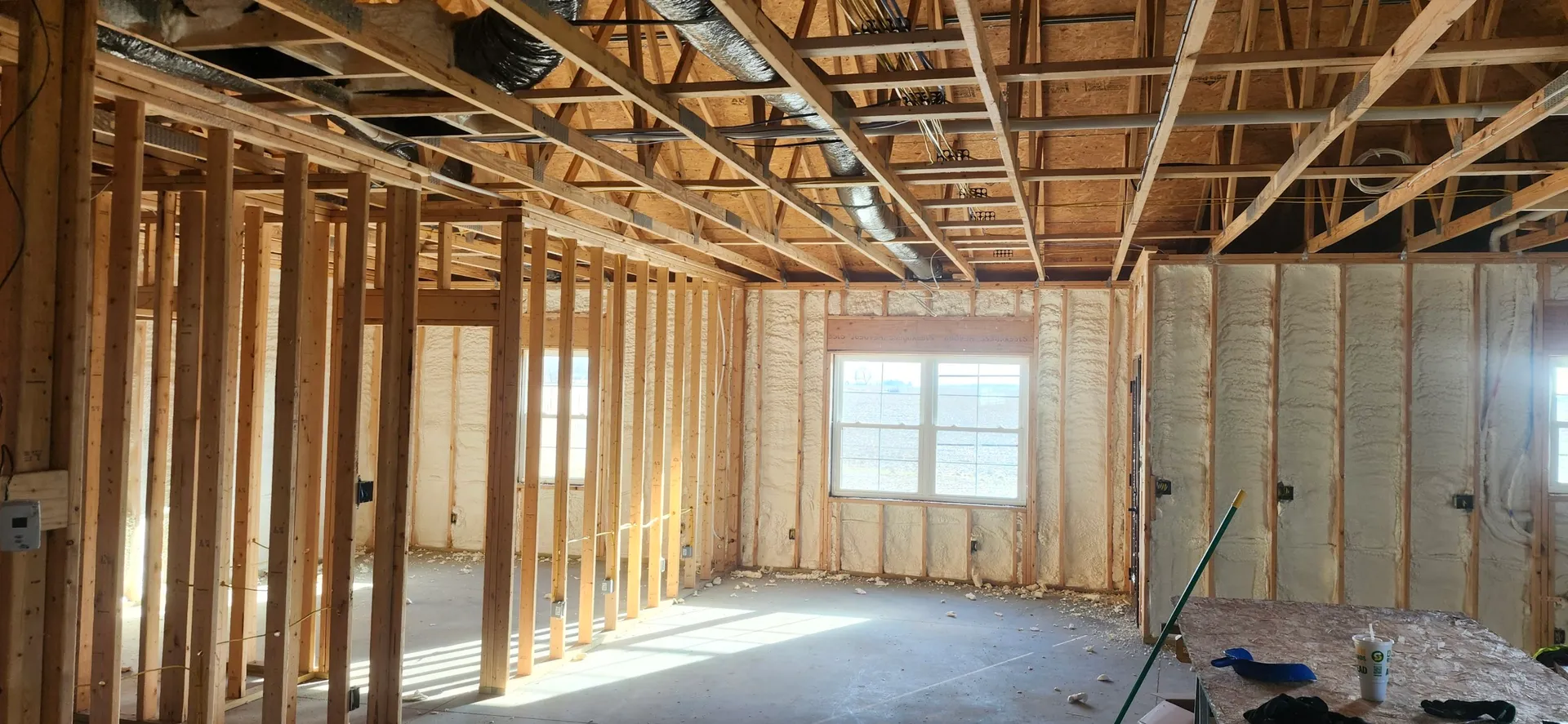
Spray foam insulation for Central Indiana homes that don't hold temperature the way they should. We look at the attic, crawl space, walls, or addition and recommend the foam that fits.
Tell us what is going on with the space and where the home is.
Tell us what is going on with the space and where the home is.
If one room is always hot, cold, or hard to control, the issue is often air movement through the attic, roofline, walls, or floor system.
Spray foam expands into gaps around framing, wiring, plumbing, and odd corners where batt insulation usually leaves air paths behind.
Closed-cell foam on crawl space walls and rim joists helps separate your living space from cold, damp air under the house.
Once foam is applied, it does not slump, settle, or pull away like older fiberglass can. The goal is a cleaner, longer-lasting air seal.
Foam for wall cavities, additions, garage conversions, remodels, and other framed spaces.
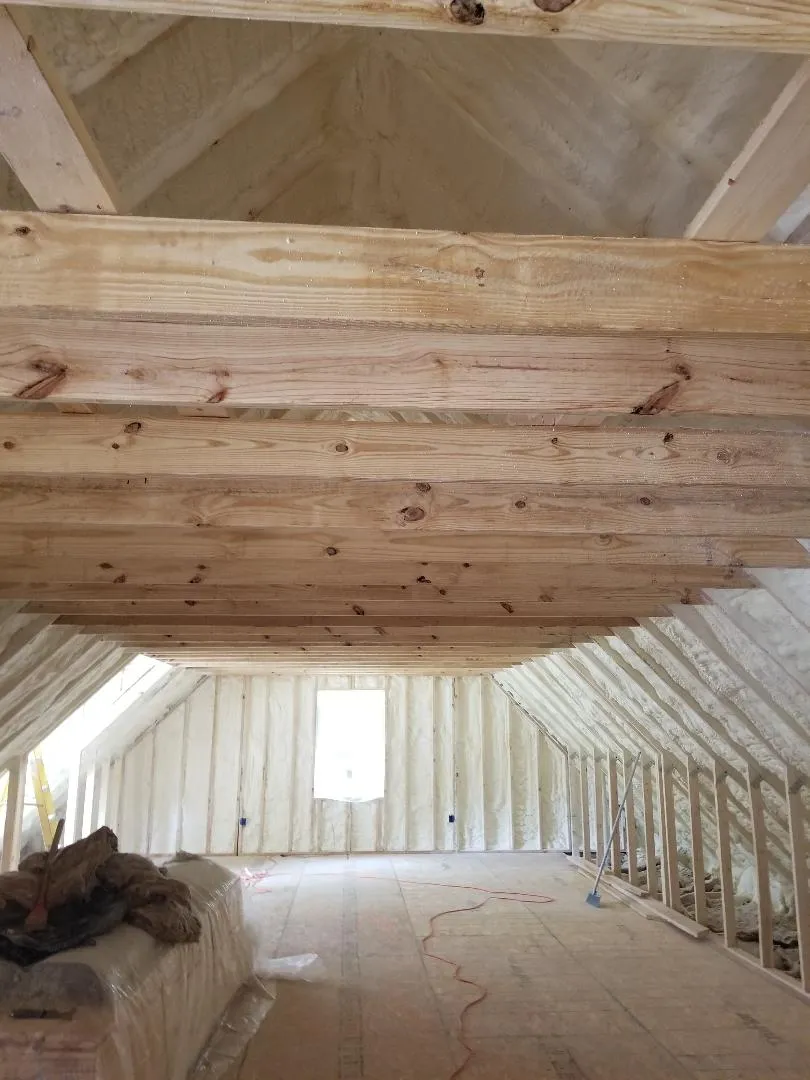
For homes losing comfort through the attic, roofline, knee walls, or bonus room spaces.
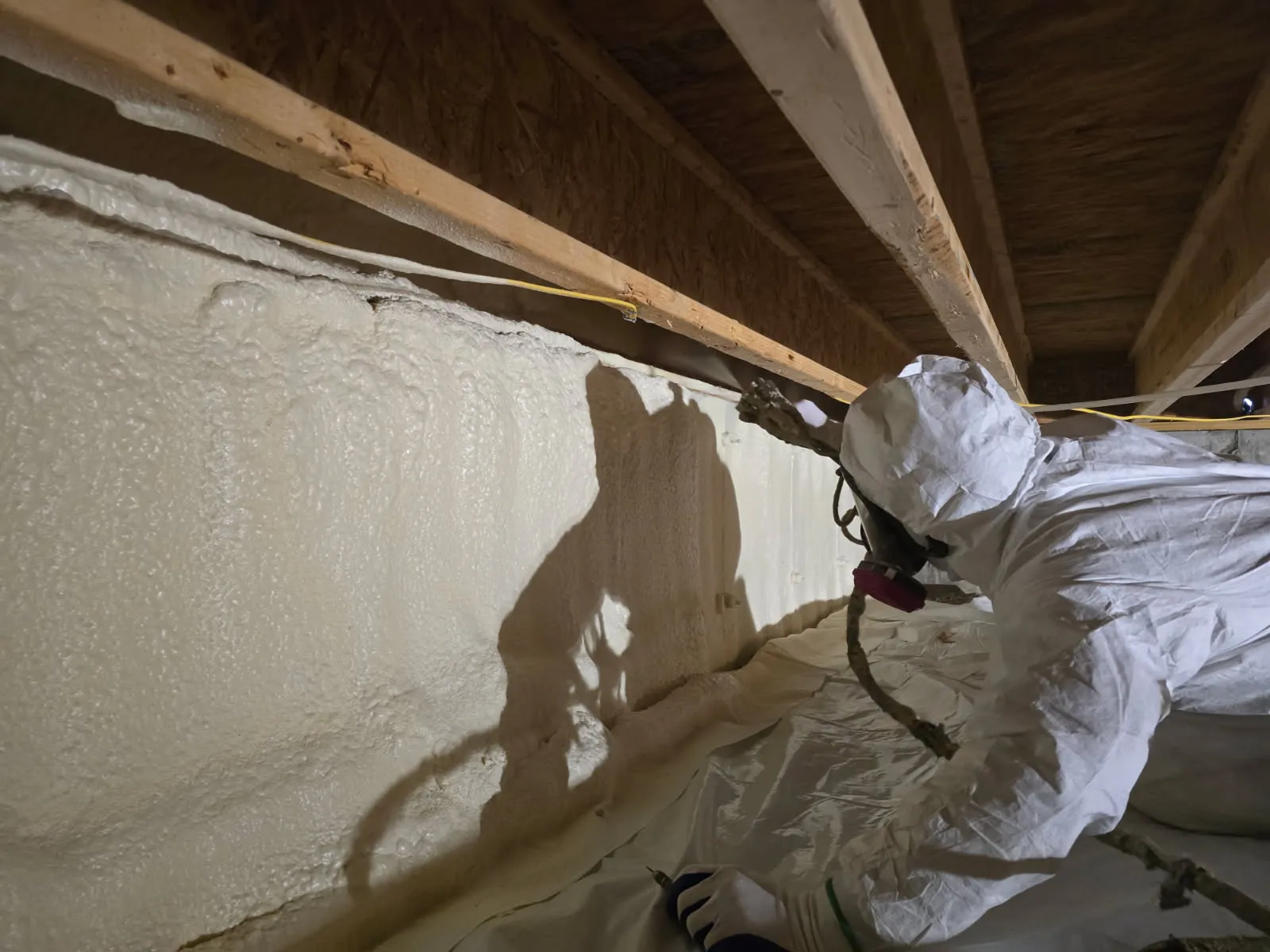
Closed-cell foam for crawl space walls, rim joists, and the cold floor problem above them.
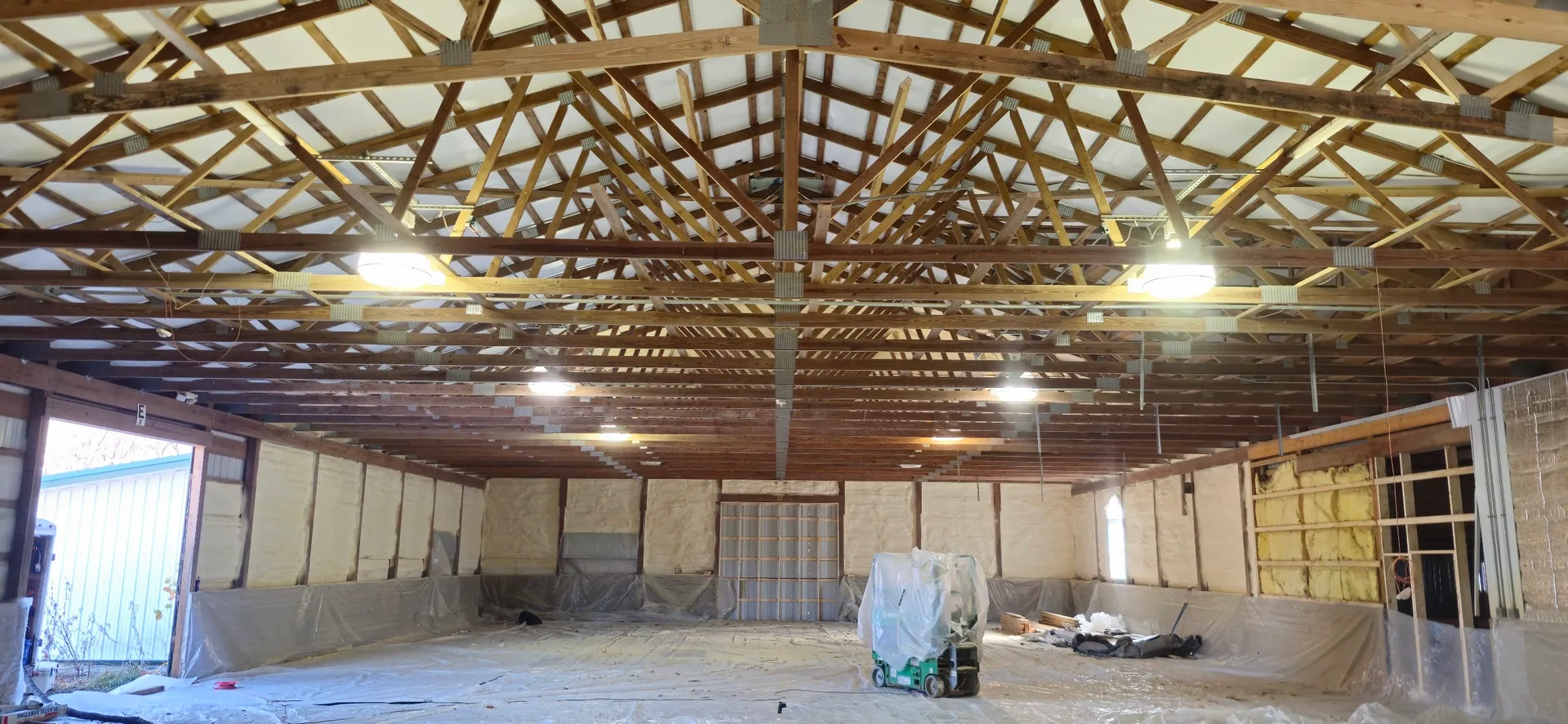
For detached garages, workshops, hobby buildings, and pole barns that need temperature and condensation control.
Related
Core spray foam pages that explain material types, costs, R-values, and common alternatives.
Attic-focused pages for roof decks, air sealing, foam type selection, and cost planning.
Crawl space pages that connect moisture control, closed-cell foam, and residential retrofit planning.
Tell us what you are noticing: hot rooms, cold floors, drafts, moisture, or a space you are finishing. Photos help if you have them.
We look at access, moisture, framing, and the area being insulated. Then we explain whether open-cell or closed-cell makes sense and what the quote includes.
For installed jobs, we prep the work area, spray to the agreed scope, check coverage, and clean up before we leave.
Cost depends on the area, access, foam type, and thickness. A small rim joist or crawl space is a very different job from a full attic or large addition. Once we know the space, we can give you a realistic range and then a written quote.
Yes, when it is installed correctly and allowed to cure. We follow manufacturer safety guidelines, ventilate the work area, and tell you what to expect before the job. Most residential projects are safe to occupy the same day.
Many attic, crawl space, rim joist, and garage jobs are finished in a day. Larger additions, whole-home work, or hard-access spaces can take longer. We'll tell you the expected timeline before scheduling.
You don't need to know that before reaching out. Open-cell is often the better value for attics, rooflines, and large wall cavities. Closed-cell is usually the better fit for crawl spaces, rim joists, metal panels, or places where moisture and limited depth matter.
Usually, if the draft is coming from air leaks in the building envelope. Common spots are attic bypasses, rim joists, garage walls, plumbing penetrations, and poorly insulated additions. We look for the source before recommending foam.
Closed-cell foam can help by insulating crawl space walls and rim joists while resisting moisture. If the crawl space has active water problems, drainage or vapor barrier work may need to be part of the plan too.
Based in Noblesville and working on homes across the region.
Send the basics and a few photos if you have them. We'll tell you what we would look at first.
Noblesville-based. Working on homes across Central Indiana.