How to Insulate a Pole Barn
How spray foam stops the sweating, leaking, and baking in a metal building — and how to decide between spraying it yourself and hiring it out around Hamilton County.
Quick Answer
The most reliable way to insulate a pole barn or metal building around Hamilton County is closed-cell spray foam applied directly to the inside of the steel. It stops condensation by sealing the metal off from warm interior air, and at about R-7 per inch it builds R-value fast: 1–2 inches to stop the sweating, 3–5 inches (roughly R-21 to R-35) for a heated, climate-controlled shop. A 30x40 barn typically runs several thousand dollars installed, and pole-barn jobs overall land from about $9,000 to $24,500 depending on size and thickness. Because the surfaces are big and open, a pole barn is one of the best candidates for renting a rig and spraying it yourself.
Why Metal Buildings Need Different Insulation
Closed-Cell vs Open-Cell in a Pole Barn
How Much Foam, by Goal
Just Stop the Sweating
Seal the steel so warm air can't condense on it. This is the minimum that fixes the moisture problem.
1 to 2 inches closed-cellUnheated Storage & Workshop
Take the edge off the temperature swings and protect what's stored inside.
2 to 3 inches closed-cellHeated, Climate-Controlled Shop
Hold a comfortable temperature year-round without heating bills getting away from you.
3 to 5 inches closed-cell (about R-21 to R-35)Ceiling & Roofline
The roof deck is where most of the heat and condensation action is, so it's the priority.
Closed-cell (open-cell only where vapor isn't a concern)Barndominium / Living Space
A finished living area inside the shell needs a real R-value and has to meet local code.
Closed-cell, code-driven thicknessLofts & Interior Partitions
Inside walls away from the steel, where sound control and cost matter more than vapor.
Open-cellSteps to Insulate a Pole Barn
Rent a Rig or Hire a Crew?
Our Verdict
For most pole barns around Hamilton County, closed-cell spray foam on the steel is the answer: it stops condensation, seals air leaks, and stacks R-value in a few inches. Set your goal first — sweat control, storage, or a heated shop — because that drives the thickness and cost. A big open barn is one of the best jobs to rent a rig for, and we'll deliver it and show you how; if you'd rather hand it off, we install too.
Frequently Asked Questions
Yes. Closed-cell foam sprayed onto the steel seals it off from interior air, and 1 to 2 inches is enough to stop condensation.
Closed-cell on the exterior metal, since it controls vapor and resists water. Open-cell can work on interior ceilings or partitions where moisture vapor isn't a concern.
It depends on the goal: 1 to 2 inches to stop sweating, 2 to 3 for unheated storage, and 3 to 5 (about R-21 to R-35) for a heated, climate-controlled shop.
A 30x40 barn is usually several thousand dollars installed, and pole-barn jobs overall run from about $9,000 to $24,500 depending on size and thickness.
Yes, and it's one of the better DIY jobs out there because the building is big and open. Rent a rig and we'll show you how, or hand it to a crew.
Closed-cell foam adds some weight, especially a thick application on the roof. If you're not sure your structure is rated for it, check with your builder or truss manufacturer before you spray.
Related Services
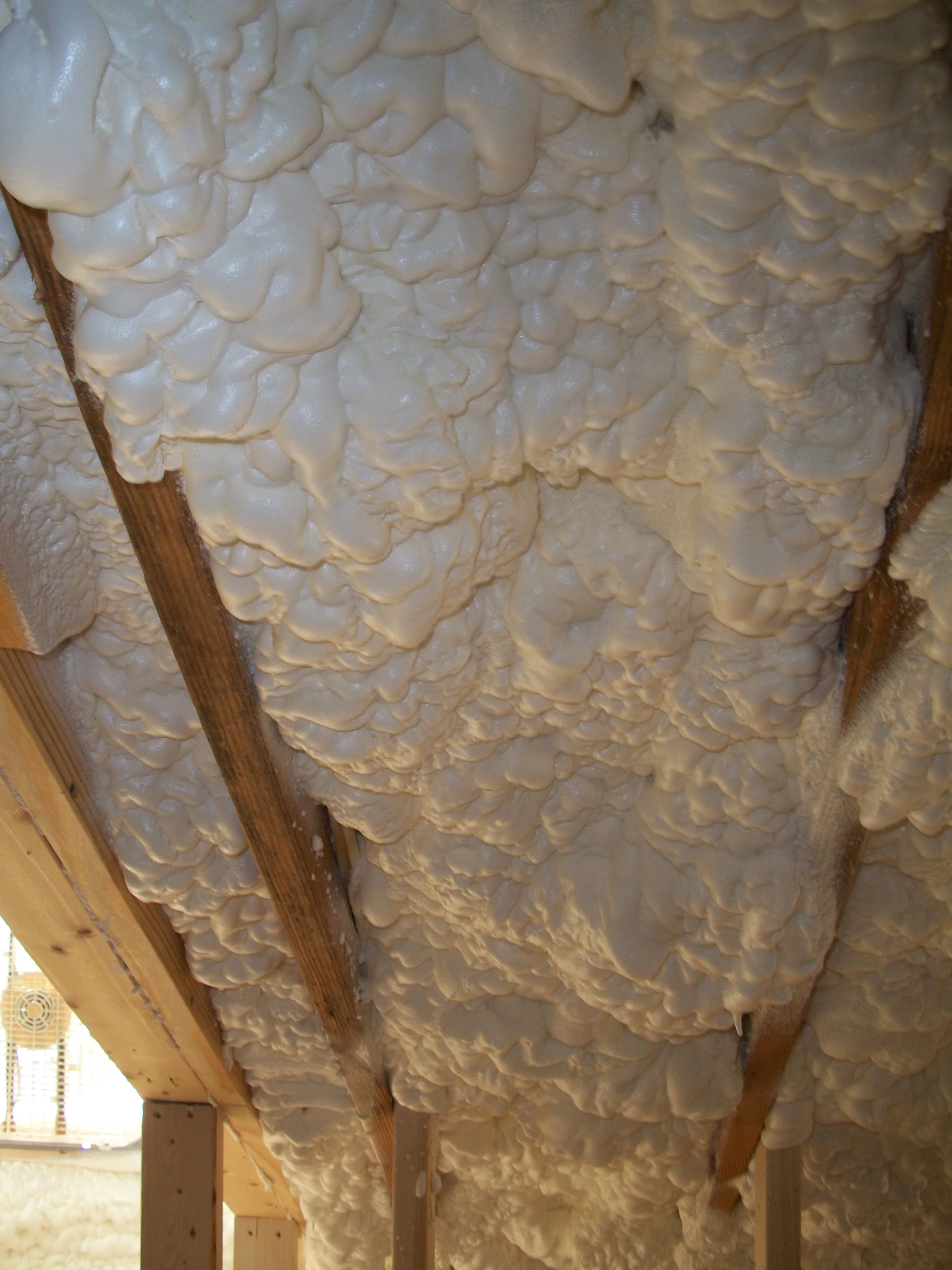
Open-Cell Foam
Cost-effective spray foam for attics and interior assemblies where comfort and sound control matter.
- Lowest cost per board foot of any spray foam
- Noticeably quieter, reduces sound between rooms and from outside
- Great for attics, interior walls, and bonus rooms
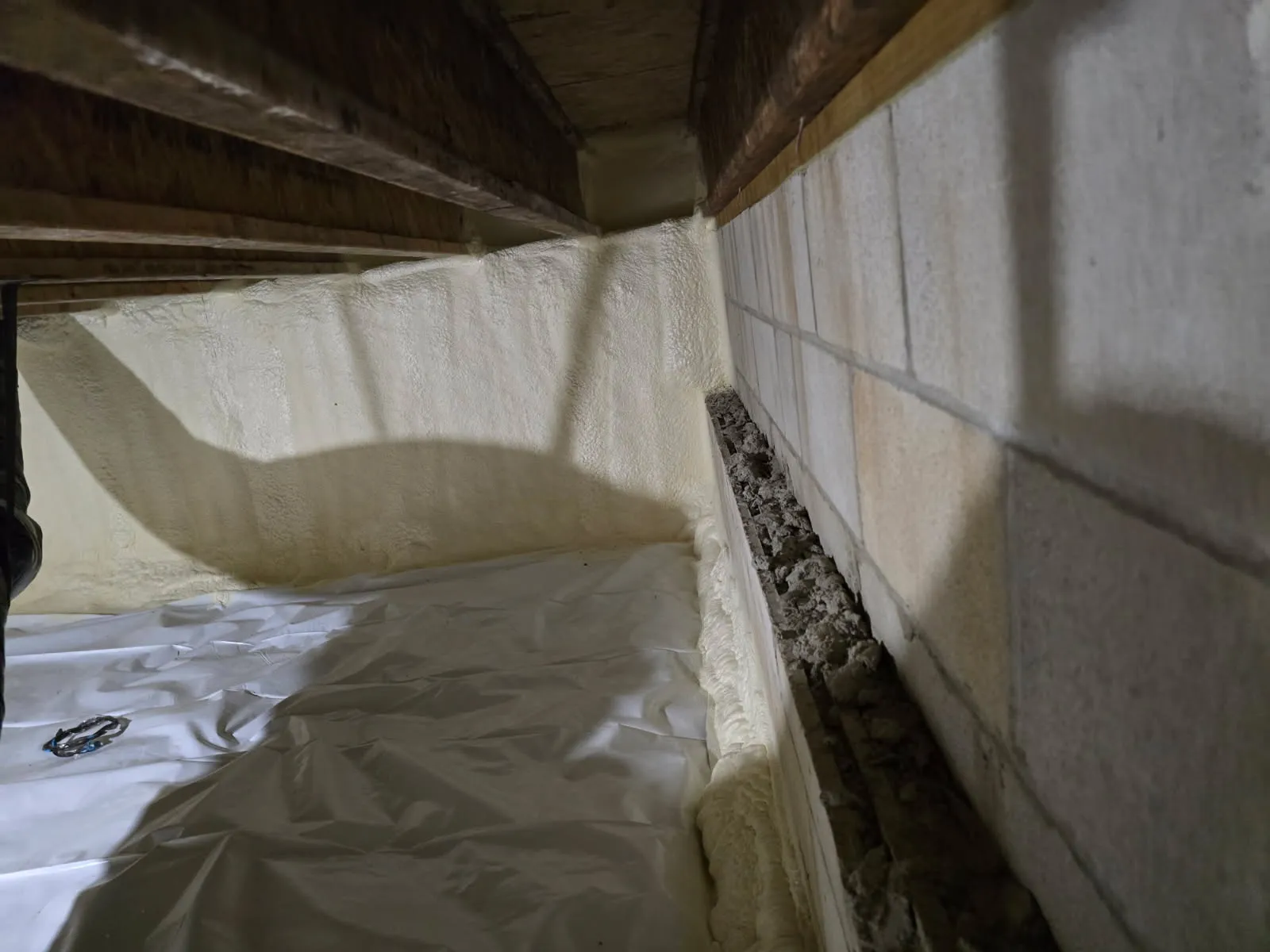
Closed-Cell Foam
High R-value insulation with moisture resistance for crawl spaces, basements, metal buildings, and demanding envelopes.
- Highest R-value of any spray-applied insulation (R-6.5 per inch)
- Acts as a vapor barrier
- Won't absorb water — ideal for moisture-prone areas
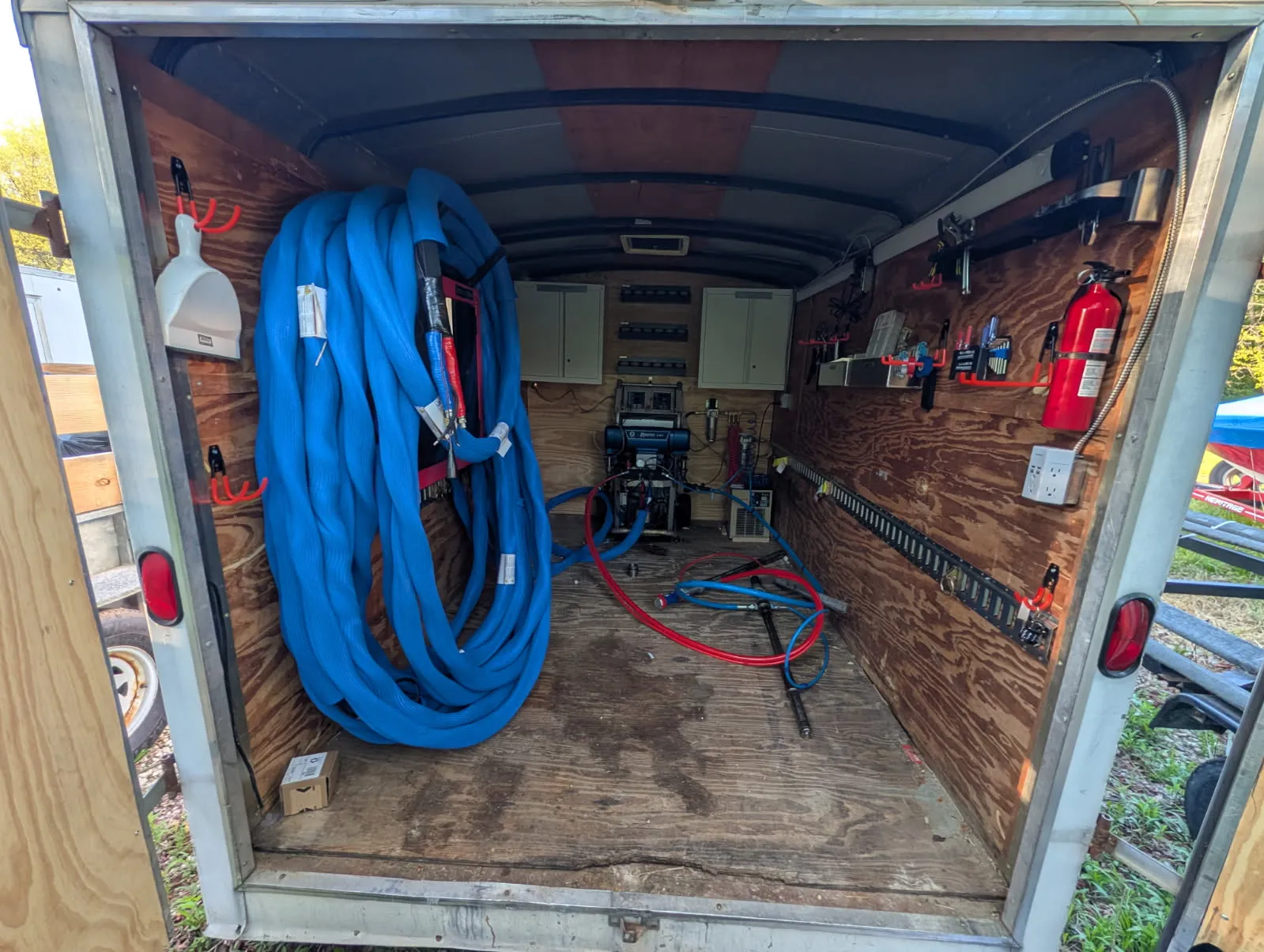
Spray Foam Rig Rental
Rent the spray foam rig when you want to handle the labor yourself.
From $1,500/day
- Open-cell, closed-cell, or your own material
- We help you understand the setup
- Useful when labor savings matter
Ready to Get Started?
Get a free, no-obligation quote today.